
Our Team
Board Of Directors
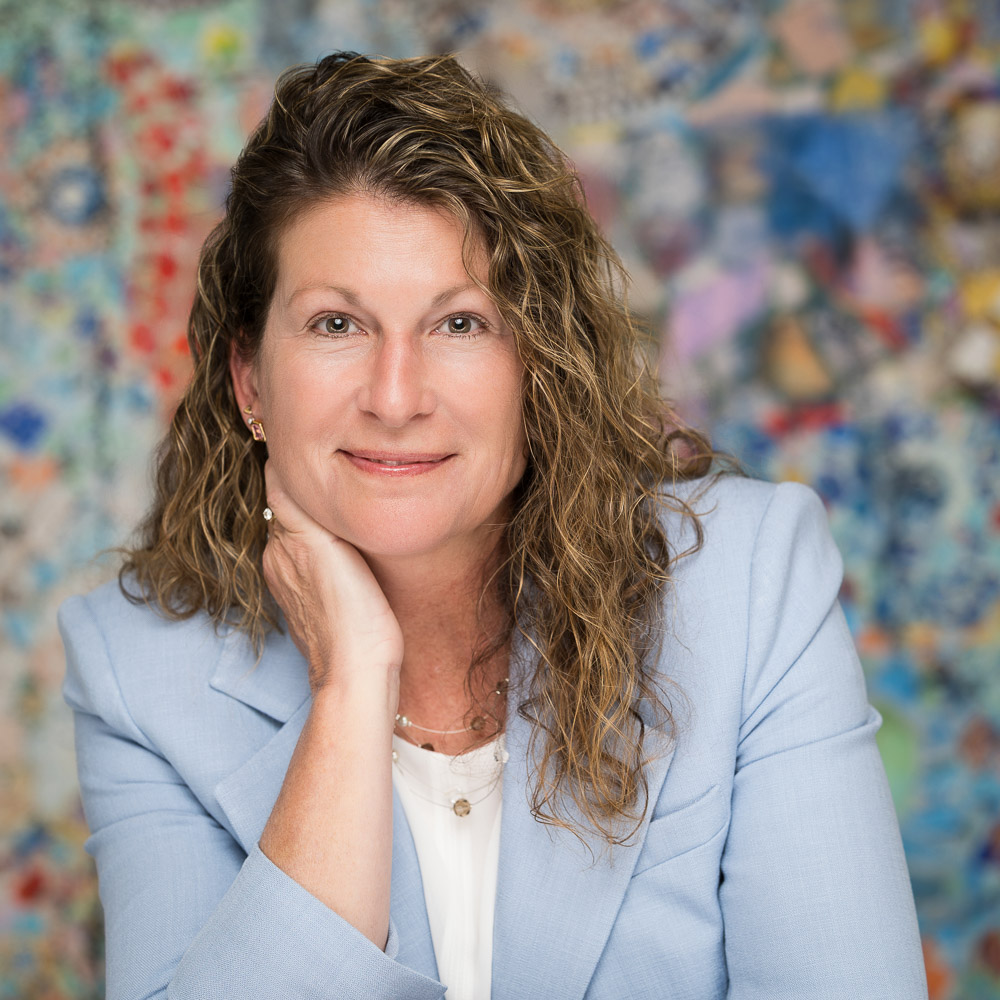
Christy Jagdfeld, CPA
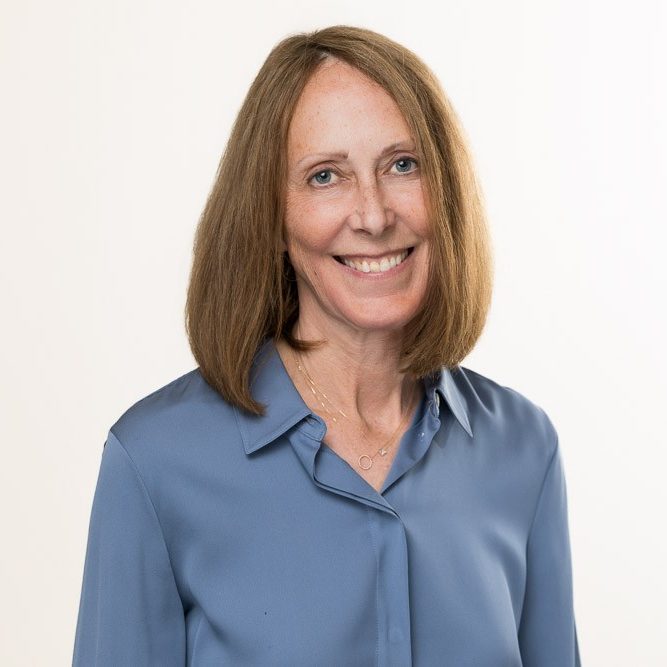
Carrie Raymond Bedore
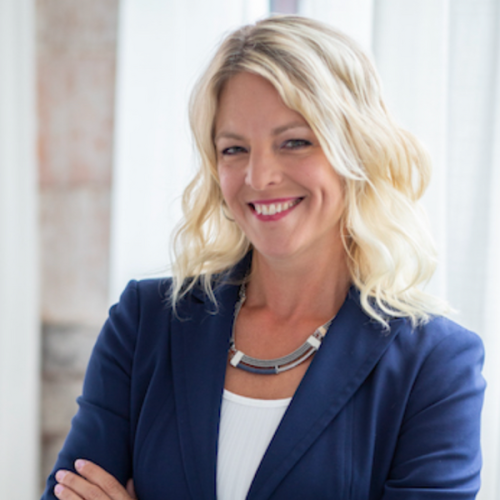
Cindi Short
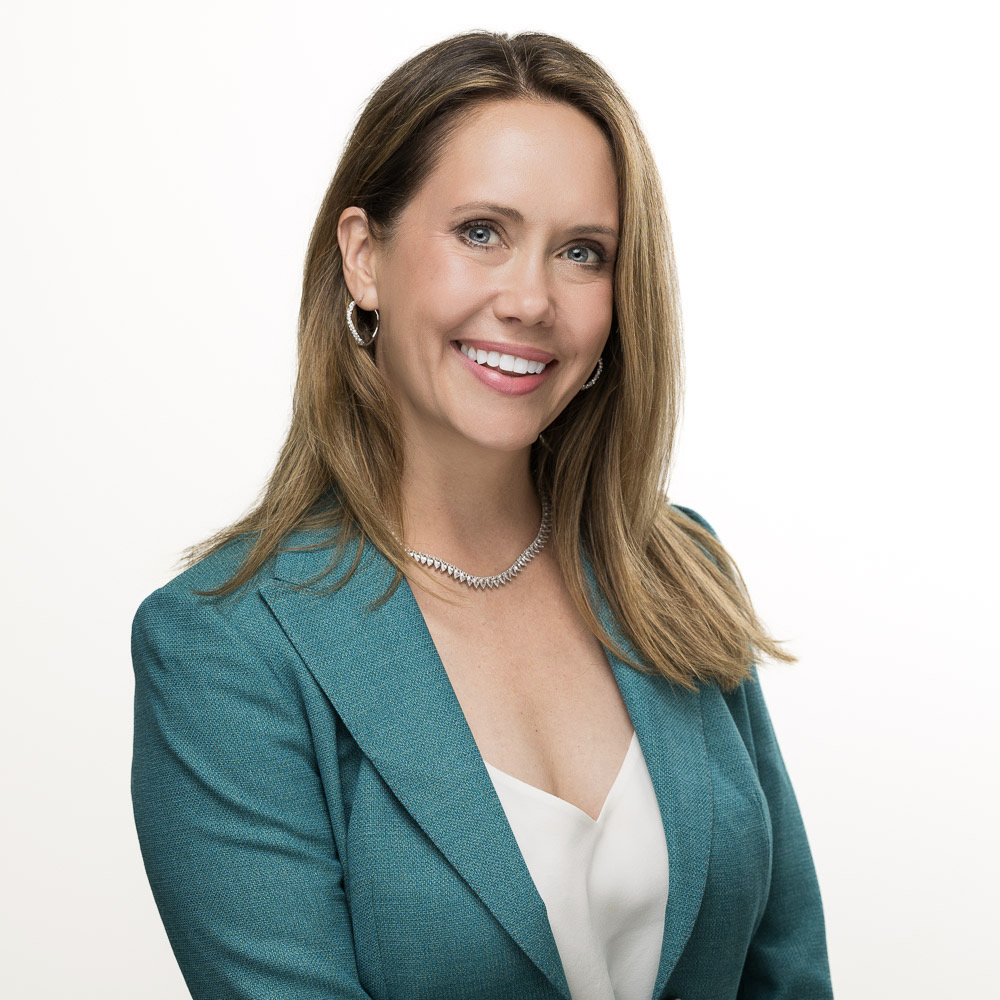
Gwen Kandula
Julie Milder, PhD
Heather Ragen
President and Treasurer
Christy Jagdfeld, CPA
Christy Jagdfeld, CPA, is a patient advocate and caregiver of individuals with neuroinflammatory disorders. She served as a volunteer, Treasurer, and leader at Dysautonomia International and PANDAS Network for a combined total of 15 years. She has organized fundraising events, patient seminars, and clinician conferences both in-person and virtual. She has overseen website and video content creation, staff hiring and development, accounting and business functions, policy creation, fundraising activities, networking and taken part in local speaking engagements. Seeing a need for research that provided a more systematic and collaborative approach to infection and inflammation driven chronic illnesses, she co-founded BIC. Director
Carrie Raymond Bedore
Carrie Raymond Bedore practiced as an attorney and served as an executive coach for more than 30 years. She has acted as a patient advocate and caregiver of individuals with Long Covid and autoimmune disorders. Carrie has served on the board of directors for nonprofits serving women and children in Wisconsin and Georgia, including the start-up of two nonprofit organizations in Wisconsin. She has also chaired several fundraising events for those organizations over the years.
Her personal medical journey leads her to the Brain Inflammation Collaborative, where she hopes to bring attention to and increase access to treatment for post-viral chronic illnesses.
Director
Cindi Short
In Cindi Short’s career as an entrepreneur, designer, researcher, and strategist, she’s championed human-centered, experience-based approaches to drive transformation within organizations spanning corporate giants to community-focused projects. Leading Lexico as its Co-founder & Chief Experience Officer, she’s applied her expertise to foster sustainable outcomes in technology-centered transformations, collaborating with giants like Grant Thorton and Cisco. Her entrepreneurial spirit also shone through as she co-founded Translator, an experience design agency and community hub, and Islands of Brilliance, an educational program for neurodiverse children. Her work reflects a lifetime commitment to creating holistic solutions and exceptional experiences.
Cindi’s professional journey is intertwined with a personal health battle, enduring years without a diagnosis for her autoimmune issues. Her perseverance led her to the Mayo Clinic, where she was diagnosed with Postural Orthostatic Tachycardia Syndrome (POTS), marking a pivotal moment in her life. This experience galvanized her interest in supporting autoimmune research, education, and patient advocacy.
As a patient advisor, Cindi leverages her entrepreneurial spirit and personal resilience to champion better healthcare experiences for those on similar paths, embodying the power of patient-centered advocacy in healthcare.
Director
Gwen Kandula
Gwen Kandula is an audiologist and co-founder of ADVENT, a multi-state medical practice dedicated to improving patient health with a focus on upper airway breathing and simple, office-based solutions. For more than two decades, she has guided ADVENT’s growth, building patient-centered frameworks while fostering a compassionate, people-focused culture. Under her leadership, ADVENT has introduced innovative care models, streamlined patient experiences, and expanded access to treatments that enhance quality of life for thousands of patients.
Her commitment to the Brain Inflammation Collaborative is deeply personal—after seeing how PANDAS affected her own family, Gwen is devoted to advancing awareness, research, and access to care for families navigating these complex conditions.
In addition to her clinical expertise, Gwen holds an MBA, which has helped her bridge the worlds of medicine and business—bringing strategic clarity and operational excellence to ADVENT’s mission-driven growth. Named the Milwaukee Business Journal’s Woman of Innovation in 2015, she continues to champion people-centered leadership that empowers patients, families, and healthcare teams alike.
Director
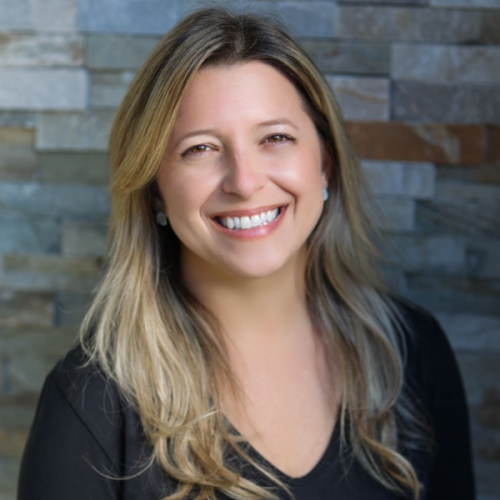
Julie Milder, PhD
Julie Milder, PhD is currently the Director of Neuroscience for Baszucki Group. She studied biology and neuroscience at Washington University and earned her PhD in neuroscience from the University of Colorado Denver. Dr. Milder worked as a 6th-grade teacher in the inner city of St. Louis with AmeriCorps and in Alzheimer’s research before attending graduate school. The focus of her doctoral work was understanding the mechanisms by which the ketogenic diet works as an anticonvulsant therapy in pediatric epilepsy. This work ignited a passion for epilepsy which she followed for nearly 17 years across a variety of different roles.
Following graduate school, Dr. Milder relocated to Chicago and worked for nearly 6 years as a research director for the largest private funder of epilepsy research, CURE Epilepsy. She joined Greenwich Biosciences (now Jazz Pharmaceuticals) in 2017 as a member of the company’s first US medical science liaison team. There, she became a medical trainer and she spearheaded the launch of a new product for rare pediatric onset epilepsies. Dr. Milder joined Baszucki Group in 2022.
Secretary
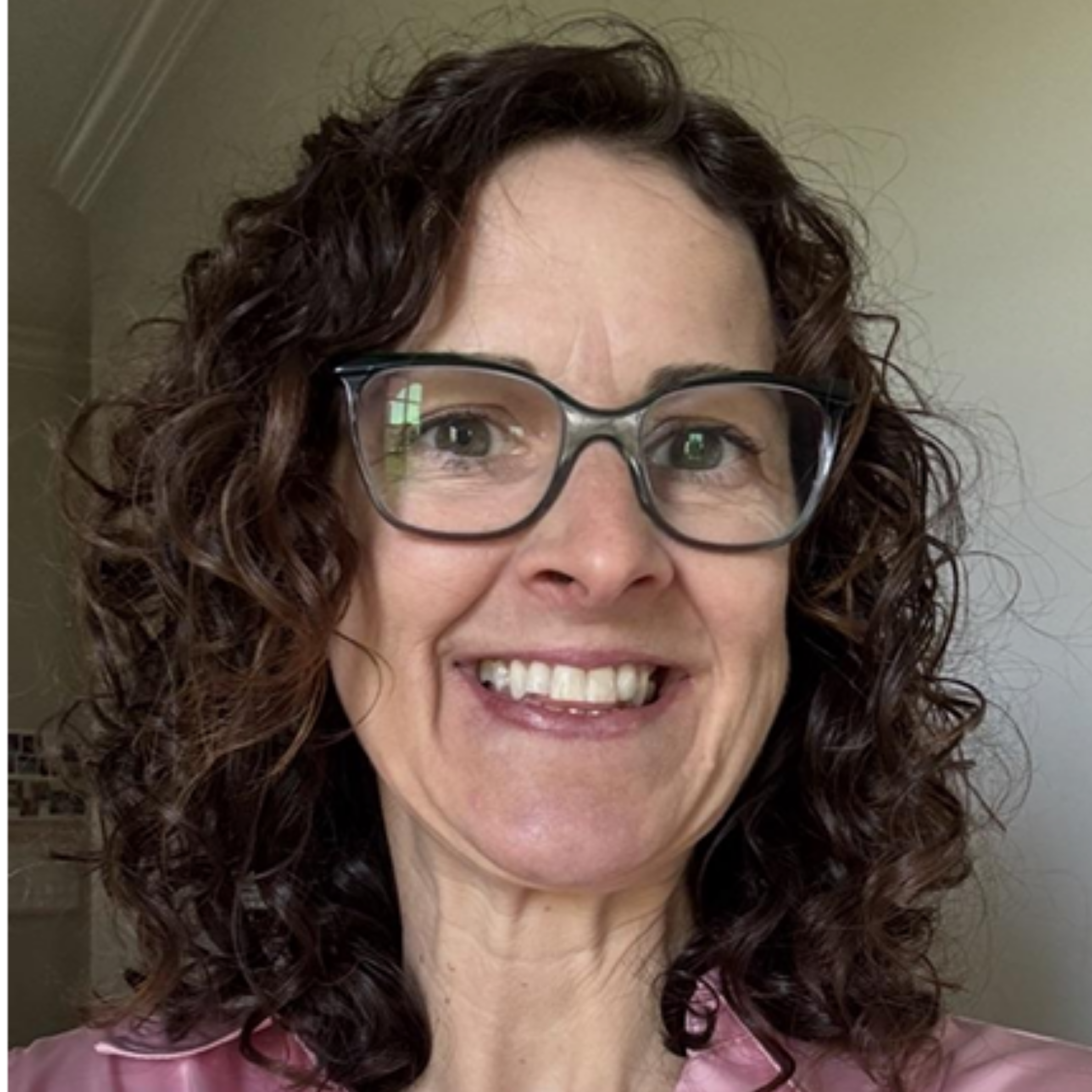
Heather Ragen
Heather Ragen is a former High School and Middle School Spanish Teacher, a Wisconsin native, and a soon-to-be empty nester. Heather holds a Bachelor’s of Arts Degree in Spanish and Education from Beloit College and a Master’s in Education from Marian University. In her free time Heather loves to read, travel and spend time outdoors.
In recent years Heather has invested her energy and talents in a variety of capacities including serving on grant committees for the Milwaukee chapter of the Impact 100 women’s charity, substitute teaching, chairing a recreational curling league, and volunteering in a variety of roles for the Kettle Moraine Curling club. She has also started a parent group for the High School of Health Sciences charter school at Kettle Moraine High School and spent several years involved with fundraising on the board of the Studio One Booster Club, which helps cover travel and competition expenses for Studio One’s competitive company dance team.
During the past 30 years, members of Heather’s inner circle have struggled with mental health, chronic fatigue, Alzheimer’s, Dementia, and Celiac disease. After witnessing both older and younger generations struggle with their mental and physical health, Heather has made a commitment to engage in and support the work of the Brain Inflammation Collaborative. She feels that there is much to be gained from looking for commonalities, tracking symptoms and conducting new research across a range of illnesses that are linked through the prevalence of brain inflammation or neuroinflammation.
Heather would love to put her strong organizational, writing and collaboration skills to work serving as the Secretary on the Board of Directors for the Brain Inflammation Collaborative. She is excited to be considered for membership on the board of this worthy organization.
Staff Leadership
Christy Jagdfeld, CPA

Denise Calaprice, PhD

Megan L. Fitzgerald, PhD
Deborah L. Duricka, PhD
Dr. Sadie Whittaker, PhD
Co-founder & Chief Executive Officer
Christy Jagdfeld, CPA
Christy Jagdfeld is a CPA who resides in the Lake Country area of Wisconsin. She became a fierce patient advocate after her youngest child was diagnosed with several chronic illnesses in 2012.
Jagdfeld worked for six years as a volunteer and eventual Board Member and Treasurer of Dysautonomia International from 2014 to 2020. During that time, she organized a local 200 person annual awareness event, an in-person 5K Fundraising Event, and a successful 300 patient and clinician seminar on POTS & Dysautonomia held at St. Luke’s in Milwaukee.
She was co-chair of the Dysautonomia International Wisconsin Support group with 1000+ members and helped organize monthly in-person meetings, many with speakers. She attended local conferences and spoke at local events. On a national level, she helped with fundraising, networking, attending professional conferences and handled many of the business aspects of the organization.
Through a fellow board member of Dysautonomia International, Jagdfeld was introduced to the concept another organization was utilizing that was driving research at a faster pace by providing funding and bio-samples directly to researchers in the Lyme world. That concept was one that Jagdfeld hoped to apply to other chronic illness that lacked funding and overall “coordinated” research.
In the fall of 2020, Jagdfeld joined the board of PANDAS Network as Treasurer. While there, she helped work with the executive director, Diana Pohlman, to implement policies and procedures, overhaul their current website, organize a virtual conference, attract new sponsors, start a Patient Advisory Committee, and start the process of getting a unique research roadmap created for PANDAS and PANS research.
In November of 2021, Jagdfeld was introduced to Dr. Denice Calaprice-Whitty who has an extensive and impressive background in neuroinflammatory illness research and data analysis. Calaprice-Whitty had recently joined the Scientific Advisory Board of PANDAS Network.
A discussion of overlapping interests in a patient registry, patient biobank, and coordinated researcher funding led to the creation of the Brain Inflammation Collaborative in December of 2021. Jagdfeld hopes that this concept can be shared across many illness models as advocacy groups push for platforms to help their patients, clinicians, and researchers.
In addition to her passion for patient advocacy, she shares a love for competitive swimming, music and the arts with her husband and three children. She continues to serve on the Board of Directors for Waukesha Express Swim Team since 2012. She credits swimming and caring coaches with helping her youngest through some of the hardest times of her life battling chronic illness. She looks forward to the day when families no longer have to spend long and often devastating years searching for a diagnosis –
that they are able to find answers from the beginning.
Co-founder & Senior Program Advisor
Denise Calaprice, PhD
After receiving her Bachelor’s degree in Biology from Harvard University and her MS and PhD from Princeton, Dr. Denise Calaprice-Whitty became an NIH fellow at Columbia University’s College of Physicians and Surgeons in the departments of Clinical and Genetic Epidemiology and Child Psychiatry. During her time at Columbia, her research on the psychoneuroimmunology of childhood anxiety and mood disorders led to the prestigious Young Investigator Award from NARSAD (National Alliance for Research on Schizophrenia and Depression).
Although she continues to work and publish in this field as an avocation, her post-Columbia career led her into industry, where she has spent more than two decades designing and directing clinical research programs and creating innovative development and operational strategies in a variety of settings. Her positions have included Senior Director of Immunology Therapeutics at IQVIA (then Quintiles), Head of Clinical Research for North America at Altana/BykGulden, and Senior Director of Clinical Research at Regeneron. Dr. Calaprice has been consulting since 2006, including high-profile engagements with the Department of Defense under the Obama Administration (optimizing defense against biological warfare); with industry consortia such as The Avoca Quality Consortium, the Avoca Innovation Alliance, and Metrics Champion Consortium; and with numerous individual companies from the biggest international pharma to Silicon Valley start-ups and incubators.
Among her many accomplishments in this capacity, Dr. Calaprice developed the novel metrics taxonomy that was used by Pfizer to optimize its clinical research operations in the years just prior to Covid, and that has now been adopted by many of the world’s most prominent pharma. She has presented to FDA about her industry research and innovations, and on behalf of a variety of specific immunotherapies, on numerous occasions; and publishes and presents frequently for both medical and industry publications and conferences.
Scientific Director
Megan L. Fitzgerald, PhD
After earning her PhD in Neuroscience and Neurology from Weill Cornell Medical College, with a thesis focused on adolescent neuroanatomy and cannabinoid receptors, Dr. Megan L. Fitzgerald shifted her research to neural stem cells. She completed postdoctoral work at Mt Sinai and later secured an NIH fellowship at Columbia University. There, she investigated neuroanatomical links to suicide while pioneering stem cell studies, earning prestigious Young Investigator Awards from NARSAD and the American Foundation for Suicide Prevention (AFSP). Dr. Fitzgerald continued to research avenues of regenerative medicine for brain and behavior disorders until her work was interrupted in March 2020 by a COVID-19 infection that led to Long COVID—a debilitating condition without a cure that is characterized by fatigue, neurological symptoms, and post-exertional malaise, among many other symptoms.
Dr. Fitzgerald pivoted her research to study her own illness, learning from her first-hand experience of living with Long COVID about gaps in scientific and medical research as well as clinical care. She joined the Patient-Led Research Collaborative (PLRC) in late 2020 to leverage her scientific background to try to provide insights that would improve the lives and health of other patients. At PLRC, she developed and co-led a large-scale survey on the health impact of COVID reinfections, helped to integrate a patient perspective into many clinical and basic research studies on Long COVID, and served in a leadership role. With the Brain Inflammation Collaborative, she aims to explore the connections between inflammation and the mood and neurological symptoms that patients experience, such as brain fog, and to continue to foster collaboration by bridging the gap between patients, clinicians, and scientists.
Co-Principal Investigator
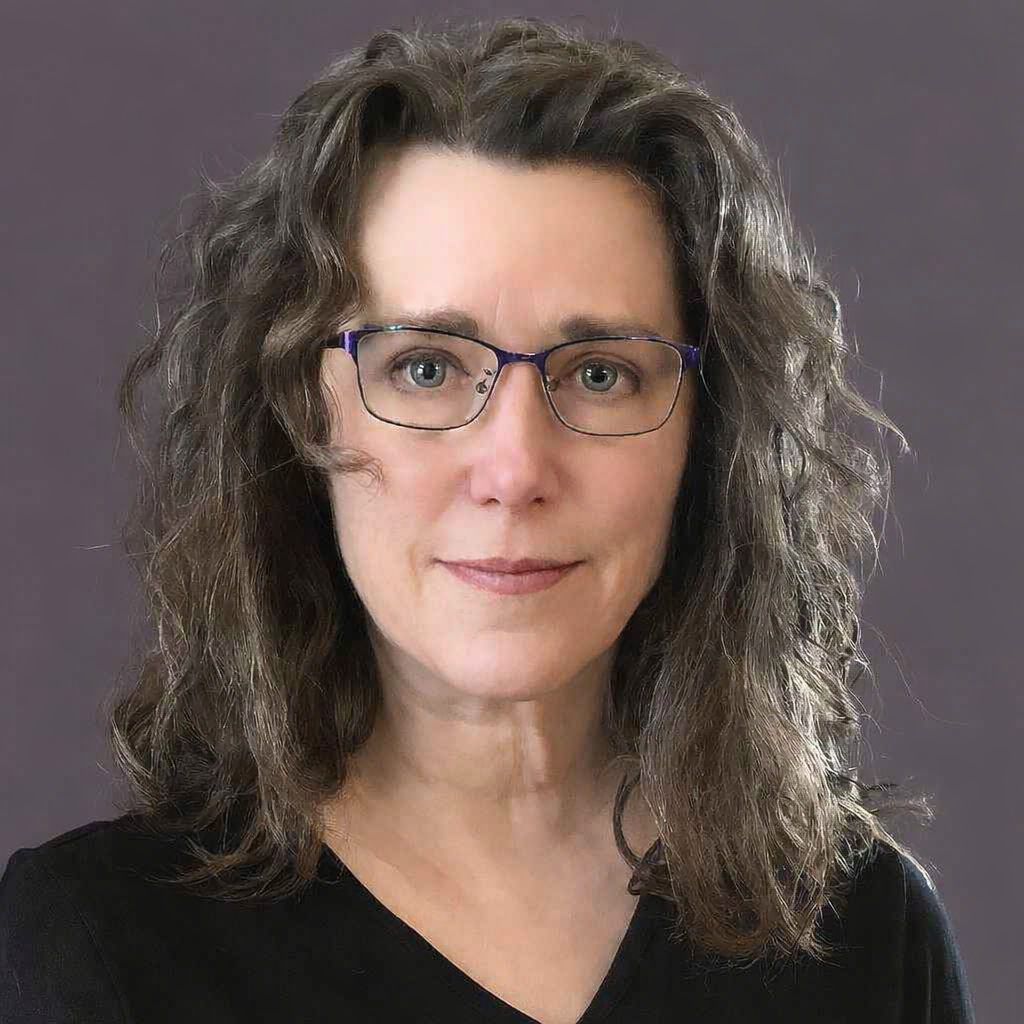
Deborah L. Duricka, PhD
Dr. Duricka received her Bachelor of Science Degree in Biochemistry from UCLA and her PhD in Neuroscience from Washington State University. She has been a research scientist at the Huntsman Cancer Institute, the Salk Institute for Biological Studies, Proctor & Gamble Pharmaceuticals, Ciba-Geigy Pharmaceuticals, and Novartis Pharmaceuticals. Her research portfolio spans molecular genetics/genomics; the pathophysiology (disordered physiological processes associated with disease) of heart disease and metabolic syndromes; the neuroscience of sleep; genetic identification and characterization of human pathogens; and the pathophysiology of congenital cytomegalovirus infection.
Dr. Duricka is currently the Clinical Research Scientist at Neuroversion Inc., where she designs and conducts clinical trials, and an Affiliate Assistant Professor of Health Sciences at the WWAMI School of Medical Education. Since 2019, her work has focused on Long COVID, ME/CFS, and other Infection-Associated Chronic Conditions. In 2022, she received a Ramsay Research Award from Solve ME for a pilot study evaluating stellate ganglion block (SGB) for COVID-induced ME/CFS. Her publications on SGB for Long COVID, together with the results of the Ramsay pilot study, contributed to the inclusion of SGB as one of four treatments selected for clinical testing in the NIH RECOVER‑TLC initiative. Dr. Duricka has published her work in leading scientific journals, including Genetics, the Journal of Biological Chemistry, the Biochemical Journal, the Journal of Virology, and the Journal of Neuroimmunology.
unhide® Strategic Advisor
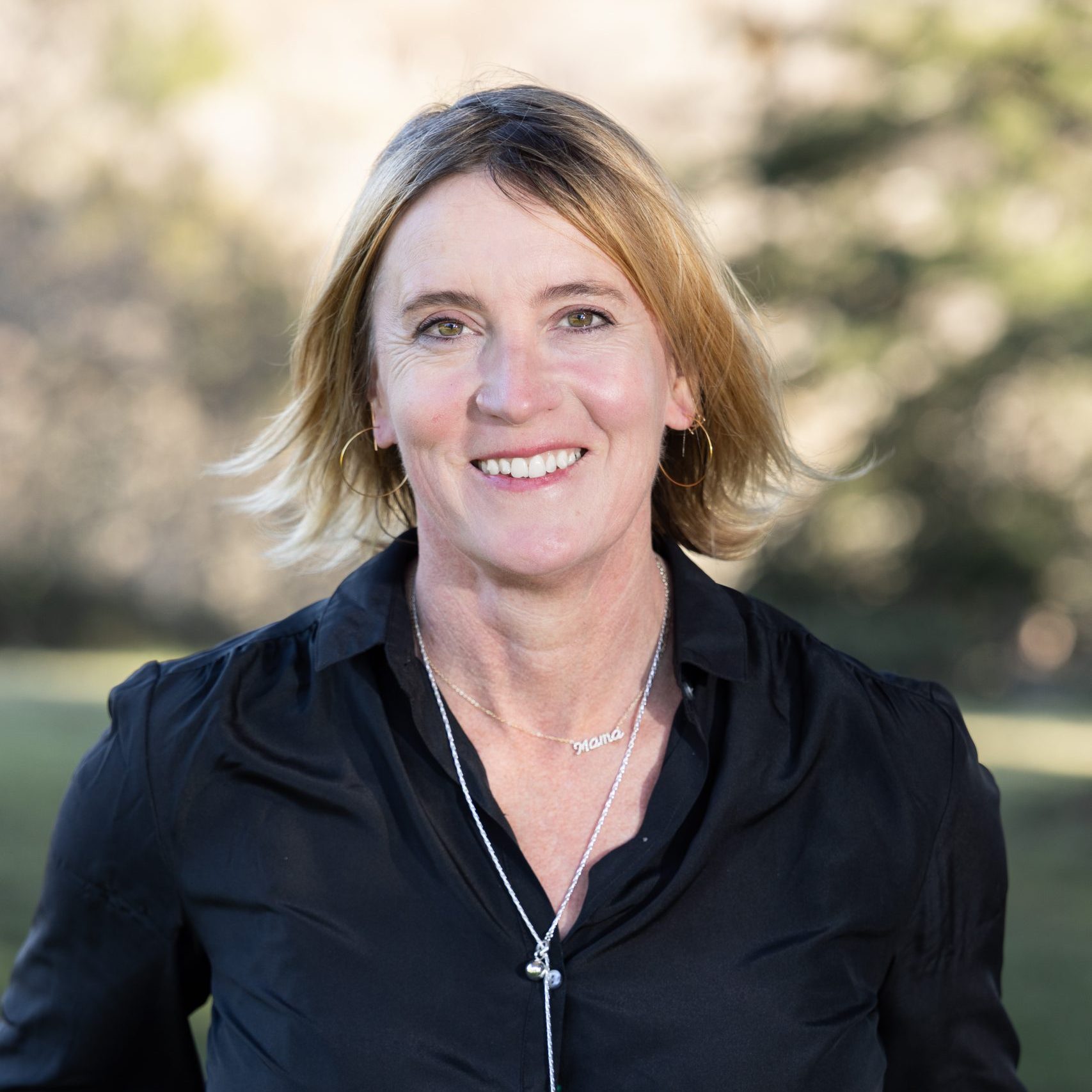
Dr. Sadie Whittaker, PhD
Dr. Sadie Whittaker, PhD brings over two decades of leadership experience in the biopharma industry, and a deep commitment to improving outcomes for patients through science and collaboration. As former Chief Scientific Officer at Solve (2018-2021), she led the organization’s research strategy, launched the You + ME® Registry and symptom tracking app, and built strong partnerships with researchers, clinicians, and patient communities to advance understanding of ME/CFS.
Sadie has broad scientific and clinical expertise and has held several C-suite positions within biotech start-ups, where she has guided therapies from early development through pivotal trials and regulatory milestones. As a company builder, she has shaped strategy and assembled teams around a simple goal: turning promising science into real options for patients.
Outside of work, Sadie enjoys running, watercolor painting, and hanging out with her 13 year old son Fred and partner Jules.
Staff
Kelsey Aguirre, MS
Sophia Alvarez-Backus

Abhinav Anne
Andrea Carros
Molly Dickerson, B.S.
Helena Ellis
Breanne Failor
Anushka Gupta
James Hunt, MPH

Kate Landis
Christina Moon

Matthew Menendez, PhD
Serena Nangia
Seun Ogundimu
Noah Peng

Lúcia Santos
Data Analyst
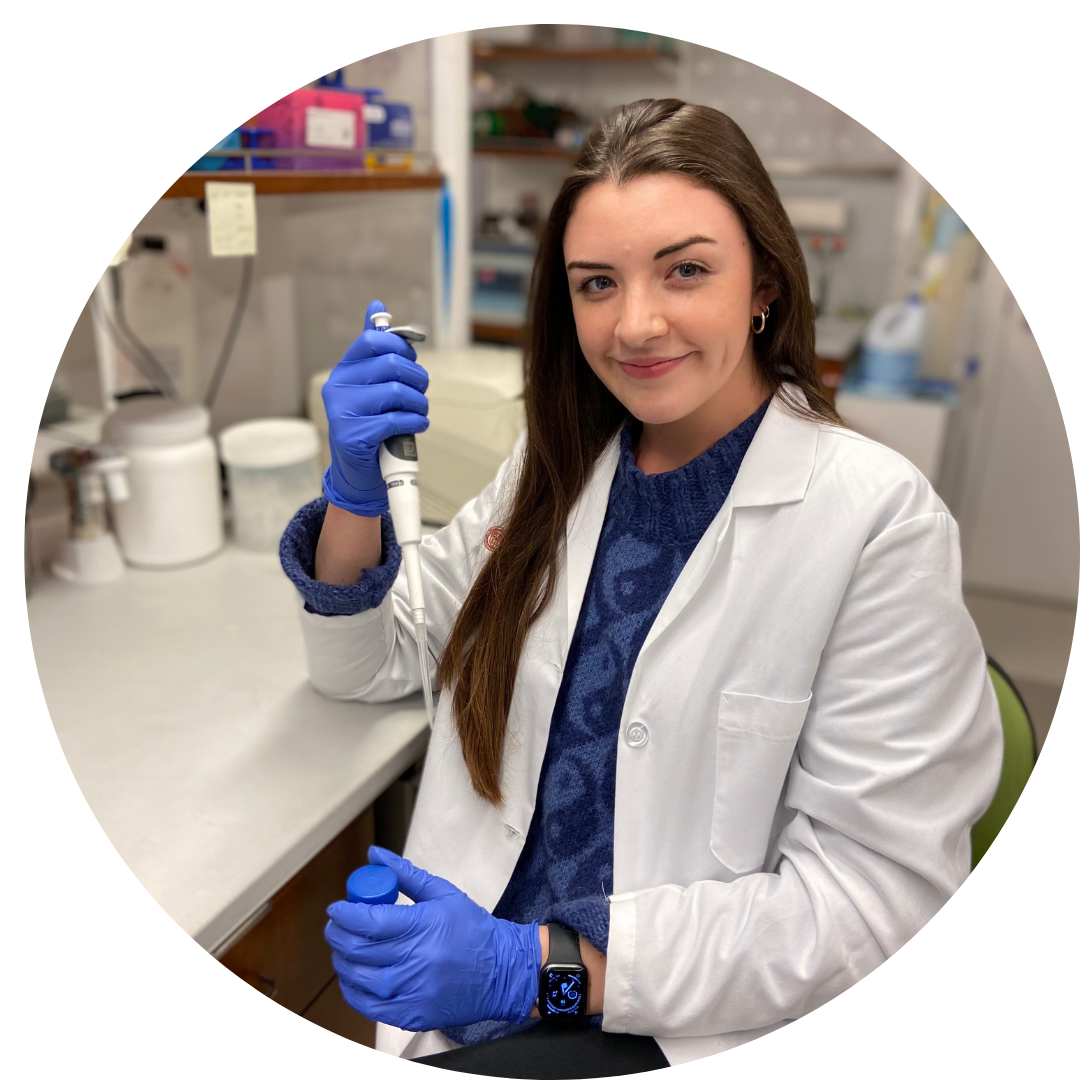
Kelsey Aguirre, MS
Kelsey Aguirre earned her BS in Biology from Texas Tech University, then moved to New York City and studied melanoma metastasis at Weill Cornell Medical College. After, she continued to work in oncology as a Junior Scientist at a start-up that focused on small-molecule production. In 2021, Kelsey began her MS in Biomedical Data Science at Icahn School of Medicine at Mount Sinai. She studied computational modeling under Vincenzo Fiore at the Center of Computational Psychiatry and completed her thesis optimizing a variety of models for behavioral data from severe OCD patients treated with Deep Brain Stimulation. When she isn’t researching, Kelsey enjoys doing yoga, traveling, seeing live music with her friends.
Clinical Research Intern
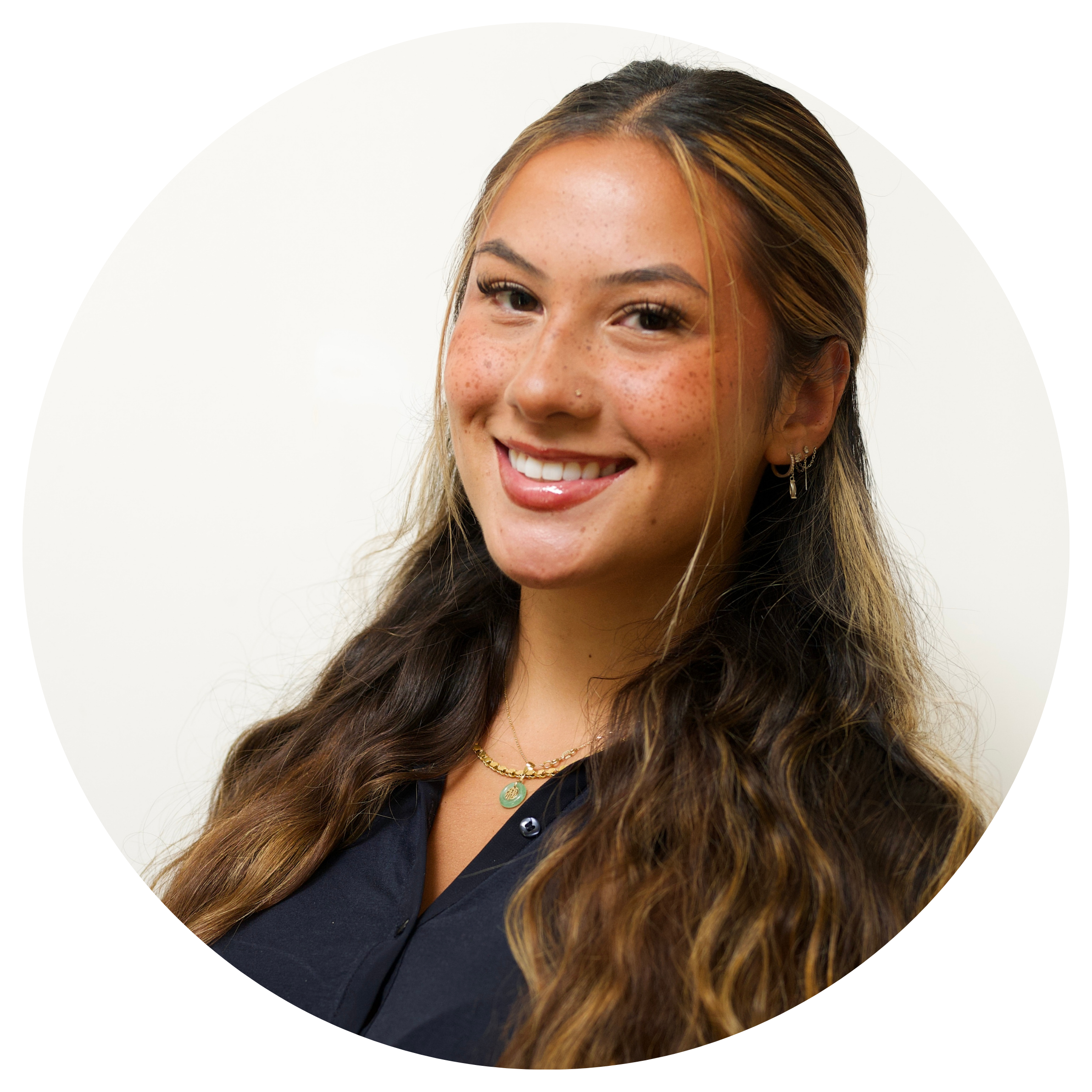
Sophia Alvarez-Backus
Sophia is studying neuroscience at Lafayette College on the pre-health track, where she is also a member of the softball team and serves on the Student-Athlete Advisory Committee. Previously, Sophia contributed to research at Dana-Farber Cancer Institute, focusing on educational initiatives surrounding women’s cancers in the Middle East. Through this work, she developed an appreciation for patient-centered research and the importance of making scientific knowledge more accessible to diverse communities. Sophia’s interest in neuroscience is deeply personal, inspired by family experiences with traumatic brain injury and encephalitis. She is additionally interested in the intersection of neuroscience, psychology, and sports medicine, including the effects of head injuries and mental health challenges in athletes. As an intern with the Brain Inflammation Collaborative, she is excited to contribute to research that advances understanding of neuroinflammation while helping improve outcomes for patients and their families. Outside of the classroom, Sophia works with Lafayette College’s Sports Medicine, where she values gaining hands-on experience supporting student-athletes. In her free time, she enjoys baking, time with friends, and being outdoors with her dogs.
Clinical Research Intern
Abhinav Anne
Finance & Operations Director
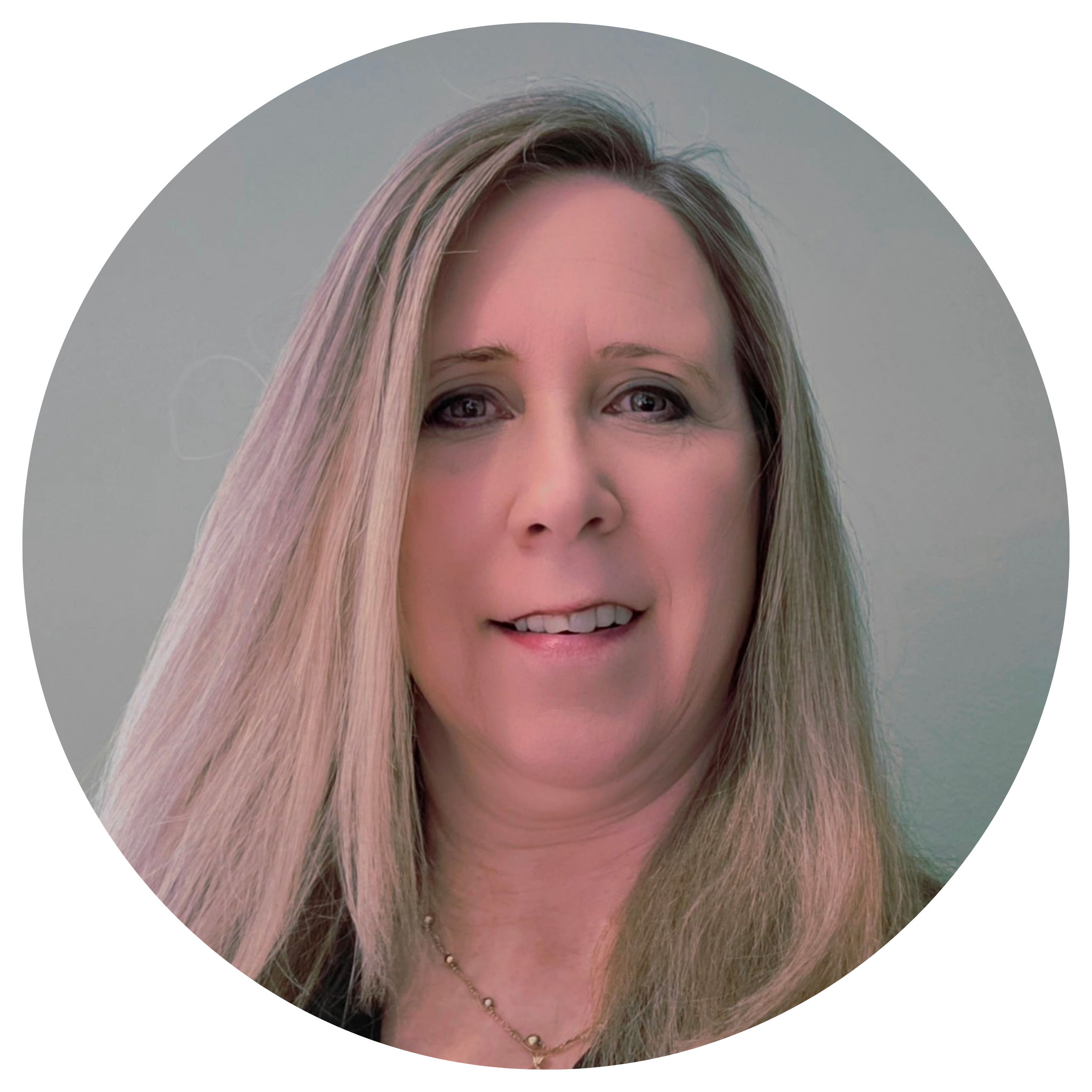
Andrea Carros
Coming soon!
Social Media Features Specialist
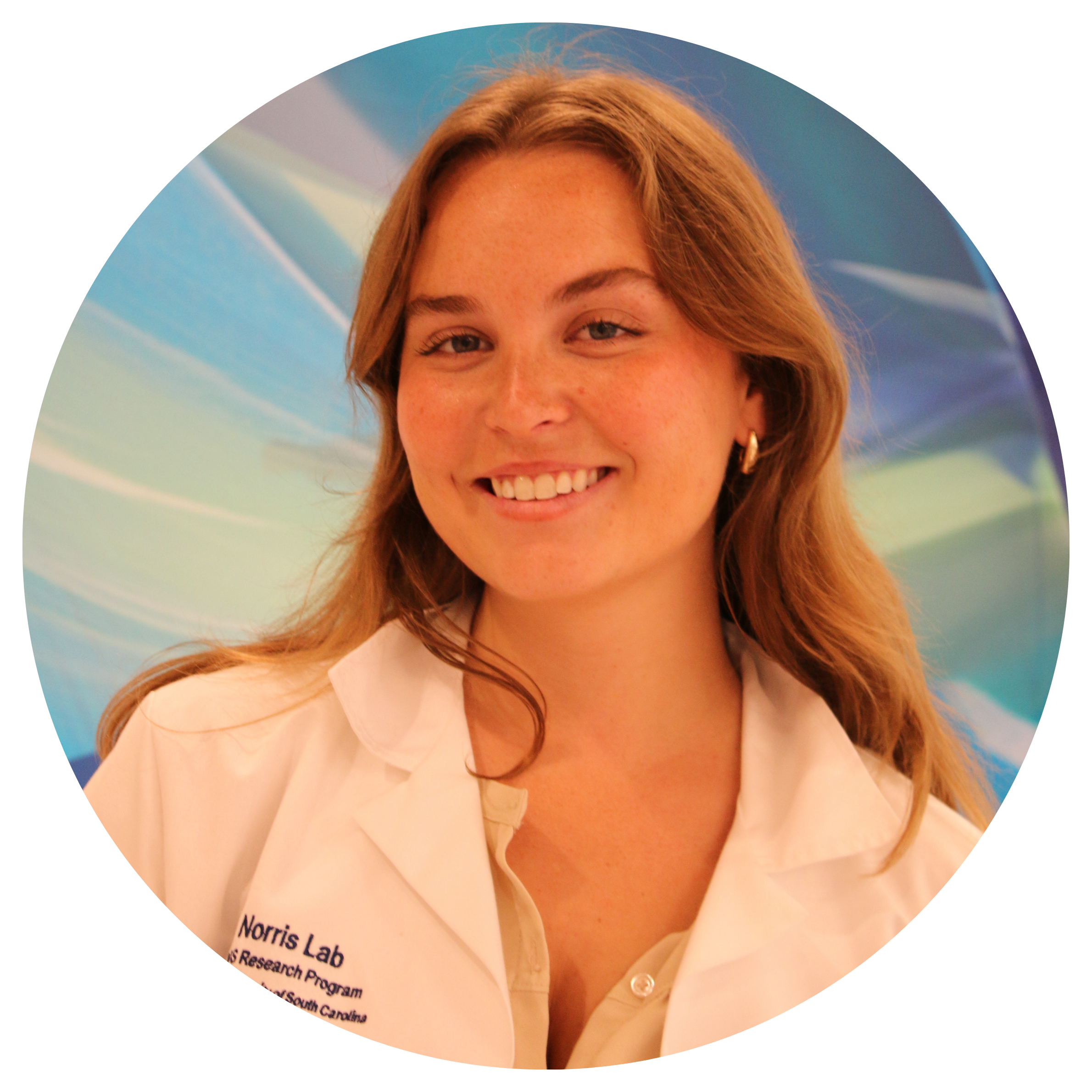
Molly Dickerson, B.S.
Clinical Research Specialist
Helena Ellis
Helena Ellis is the founder of Biobanking Without Borders LLC, where she shares her expertise as a consultant in clinical research and biobanking. Helena has over 30 years’ experience in research gained at Harvard School of Public Health, Brown University, and Duke University. Starting in 2001, she dedicated her career to the field of biobanking, and began consulting in 2017. She is an expert in writing using plain language writing principles, for informed consent forms and other participant facing material, and biospecimen and data sharing governance. She served on the Biorepository Accreditation Committee of the College of American Pathologists, contributed to the development of the International Society of Biological and Environmental Repositories Best Practices, and the National Cancer Institute’s Best Practices for Biospecimen Resources. Helena’s clients include major academic medical centers, the government, non-profit research foundations and biobanking start-ups.
Director of Strategic Partnerships
Breanne Failor
Breanne Failor is a parent advocate for PANS/PANDAS, bringing both lived experience and professional expertise to her role. She is the mother of three boys, one of whom was diagnosed with PANS. With a background in marketing, communications, and advocacy, she has dedicated herself to raising awareness and improving access to evidence-based care for children affected by PANS/PANDAS and related neuroimmune conditions.
Breanne has collaborated with treatment providers and advocacy organizations to emphasize the urgent need for integrated medical and mental health support, while also guiding families through complex care systems. She is committed to bridging research and lived experience to advance more effective and compassionate care for children and families impacted by brain inflammation.
Clinical Research Associate
Anushka Gupta
Data Analyst
James Hunt, MPH
Youth Advisory Council Lead
Kate Landis
Kate is a graduate student working towards her Ph.D. in Clinical Psychology, with the goal of becoming a Child/Adolescent Clinical Psychologist. When she’s not studying, she enjoys the beach, sports, and creating her own art and music! Her personal journey with PANDAS sparked a passion for mental health and helping other kids struggling with neuroinflammatory conditions. Kate is excited to be a part of pioneering the Youth Council with BIC!
Clinical Research Associate
Christina Moon
Christina Moon graduated from Princeton University with an A.B. in Sociology and minor in Chinese Culture & Language. She has been a Clinical Research Associate with Brain Inflammation Collaborative for almost three years. Christina is passionate about health equity and is committed to making healthcare and research more inclusive and patient-centered, with a particular focus on empowering patients through research, advocacy, and education.
Director of Science Communication
Matthew Menendez, PhD
Dr. Matthew Menendez obtained his Ph.D. in Microbiology from the University of Oklahoma Health Sciences Center in Oklahoma City, Oklahoma. His primary research focus was understanding how and why the obligate intracellular parasite Toxoplasma gondii alters the metabolic profile of its host cell, mimicking the metabolism of activated immune cells, such as those found in neuroinflammatory and autoimmune diseases.
After graduate school, Dr. Menendez pursued a postdoctoral fellowship in cardiovascular biology in Dr. Courtney Griffin’s Lab at the Oklahoma Medical Research Foundation. While at OMRF, Dr. Menendez was awarded an American Heart Association postdoctoral fellowship, which supported his research efforts and enabled him to publish numerous papers investigating the regulation of capillary vessel stability and how blood vessel permeability can stimulate macrophages to regulate the function of lymphatic vessels.
Dr. Menendez is a dedicated science communication specialist with a passion for empowering patients navigating complex chronic diseases. Through innovative educational strategies, he bridges the gap between cutting-edge research and real-world understanding, enabling individuals to advocate for better care, access timely treatments, and reclaim their quality of life. With expertise in neuroinflammation and overlapping conditions such as Long COVID and autoimmune disorders, Dr. Menendez champions collaborative platforms that unite patients, researchers, and clinicians for transformative health outcomes.
Director of Marketing & Development
Serena Nangia
Clinical Research Associate
Seun Ogundimu
Seun Ogundimu is a recent Harvard University graduate with a degree in Neuroscience and a minor in Psychology. He has a passion for using science to create better outcomes for underserved and understudied populations. Before the BIC, he had conducted molecular biology research at Boston Children’s Hospital, where he worked to characterize key protein interactions involved in sickle cell disease progression, a disease predominantly affecting Black communities. In his current role, he hopes to use research to better understand brain inflammation and clinical management, as well as make scientific findings more accessible to the general patient community. Outside of research, Seun is a music producer and has worked on numerous hip hop, afrobeats, and amapiano projects.
Clinical Research Intern
Noah Peng
Noah Peng is a high school senior from northern Virginia who is planning to study neuroscience in college. He has been a Clinical Research Intern with Brain Inflammation Collaborative since June 2024. Noah is passionate to advance neuroimmunological research, and aspires to serve his community by improving information sharing, particularly by elevating patient voices. As a scholar-athlete, Noah is a 2025 National Merit Finalist and an avid state-champion golfer, recognized nationally with numerous awards for his achievements both in the classroom and on the course.
Special Projects & Advocacy
Lúcia Santos
Lúcia Santos is an advocate and patient researcher with a BA from Barnard College at Columbia University. A first generation American, she previously worked as a communications and development specialist across multiple business sectors as well as managing financial and grant fund accounts. She is also a patient representative for Long COVID, ME/CFS and other infection-associated chronic condition (IACC) organizations. Lúcia has co-authored multiple Long COVID research papers, and continues to be involved in local and federal advocacy initiatives aimed at improving outcomes and support for IACC patients.
Patient Advisors
Ingrid He, JD, MBA

Francie Fitzgerald, MSW

Reginald Barnes

Sheila Long, MBA
Kristy Klein Davis

Tom Morse
Kimberly Allen

Rebecca Anderson, MS
Jessica Slice
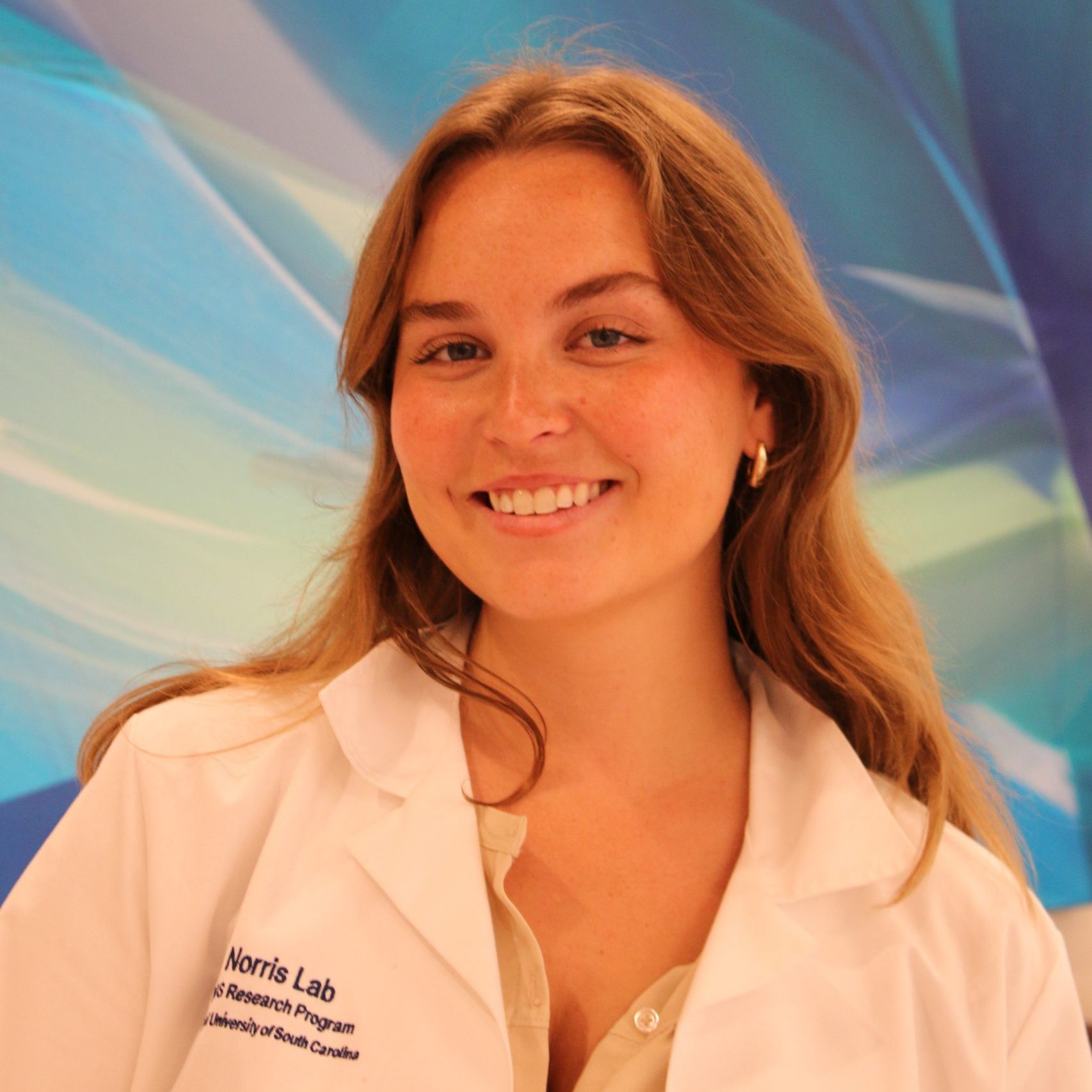
Molly Dickerson, B.S.
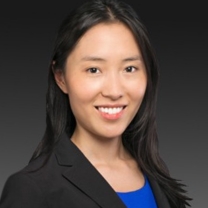
Ingrid He, JD, MBA
Ingrid He works at the nonprofit Autoimmune Registry Inc. as its Director of Research. She began experiencing symptoms of severe fatigue and brain fog at the age of 23 and was diagnosed with Sjogren’s disease after 5 years of visits to various primary physicians and specialists. Today, she continues to struggle with brain fog, as well as chronic migraine and dysautonomia. She became a patient advocate after being dismissed by physicians for many years and struggling to obtain diagnosis and treatment for her various autoimmune-related symptoms and comorbidities. She is passionate about collecting statistics on autoimmune diseases and their various comorbidities so that the public and physicians can be better informed of the symptomology and progression of autoimmune and autoinflammatory diseases.
Ingrid has a background in law with a BA in mathematics and philosophy from Wellesley College, and JD and MBA from Fordham University. She recently joined PCORI’s Advisory Panel on Clinical Trials. In her free time, she also writes a blog about her health journey.
Francie Fitzgerald, MSW
Francie Fitzgerald is a clinical social worker providing dialectical behavior therapies at Jefferson University Hospital in Philadelphia, Pennsylvania. After graduating from the University of Notre Dame where she studied neuroscience, she pursued her Masters in Social Work at the University of Pennsylvania. Since being diagnosed with postural orthostatic tachycardia syndrome at the age of 15, Francie has devoted herself wholeheartedly to bettering the lives of those affected by dysautonomia and related conditions. Francie was ultimately diagnosed with Ehlers-Danlos syndrome after developing multiple pain syndromes and immune-mediated co-morbidities. She is active in the review of research proposals to private philanthropies and nonprofit organizations. Her professional passion is adapting empirically supported mental health therapies to chronic illness patient populations. Francie currently lives with her partner, Mark, service dog, Paddy, and kitten, Lisko, all of whom bring her endless joy and provide her beautiful care in their special way.
Reginald Barnes
“Helping every person” are words that Reggie lives for. He is a survivor of a rare autoimmune disease, called anti-GAD65 autoimmune encephalitis. He also suffers from multiple comorbid autoimmune diseases. Reggie understands the real-world challenges each person has to journey through to find a diagnosis and treatment. He is also aware of the proactivity steps that all stakeholders must engage in to save a life. At the Autoimmune Registry, Reggie is establishing collaborative alliances with other patient advocacy and research groups that collectively aim to find a cure for autoimmune diseases.
Reggie earned his BS in Business Administration and BA in Philosophy from the California State University, Dominguez Hills. He has served in key leadership positions with leading for-profit corporations. He also understands the joy of turning a charitable vision into a reality.
Sheila Long, MBA
Sheila Long is a project management consultant with a specialization in digital transformations and big data projects, currently focusing on healthcare data analytics. She has successfully led process improvement, defect reduction, and department consolidation projects to deliver business, technical, and process efficiencies while driving revenue growth.
Sheila holds a M.B.A from the Graduate School of Business at the University of Chicago. She earned bachelor’s degrees in Business and Spanish from Saint Louis University. Additionally, she holds a Master’s Certificate in Project Management from George Washington University. Fluent in Portuguese and Spanish, she holds Six Sigma Green Belt, Certified Scrum Master, and PMP certifications.
She is a proud business owner and the author of an Amazon #1 New Release Book, Surrounded by Awesome Women: Unlocking a New Model of Women’s Success in Business and Entrepreneurship for the Next Decade, where she created a roadmap for women business owners featuring 68 stories of 43+ women.
As a lecturer at UWM, she develops future project managers and health care leaders. She is proud of having received forward-thinking medical care which resulted in reversing the symptoms of Rheumatoid Arthritis. She aims to help others live symptom free as well.
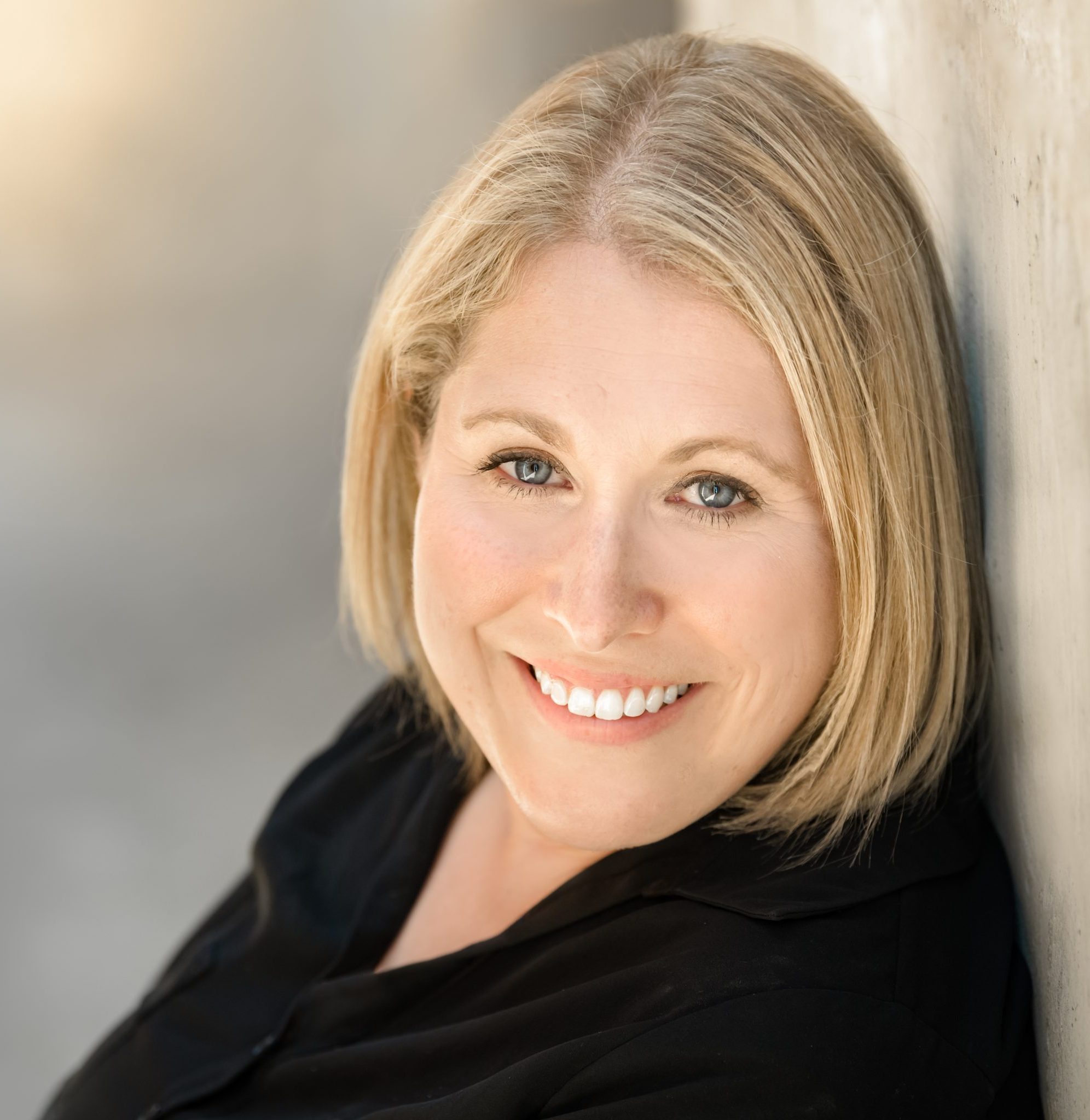
Kristy Klein Davis
Currently living in Atlanta but originally from the Midwest, Kristy Klein Davis serves as President and CEO of Georgia Health Initiative, a private, non-partisan foundation focused on creating a Georgia in which all people have the opportunity to attain their fullest potential for health. Kristy brings a creative approach to leadership and a strong passion for designing and implementing complex philanthropic strategies in public health and social sectors.
In addition to her time at the Georgia Health Initiative, Klein Davis has held positions in philanthropic, public health, and health research organizations. Throughout her career she has worked to improve health equity through adaptive strategies that emphasize community-informed approaches that value and elevate lived experience. Klein Davis is a frequent writer and speaker on systems change, health equity, and modern philanthropy.
Kristy is mom to Claire, 11, and Max, 9. Weekends are filled supporting Claire’s artistic endeavors, cheering on Max on the soccer field, and exploring the mountains, trails, and streams of Georgia.
Tom Morse
Tom Morse is a retired IBM executive consultant who developed Long Covid in 2022 and suffered debilitating symptoms including heavy brain fog, balance issues, and migraines. He found improvement from the increased CO2 and improved blood brain flow.
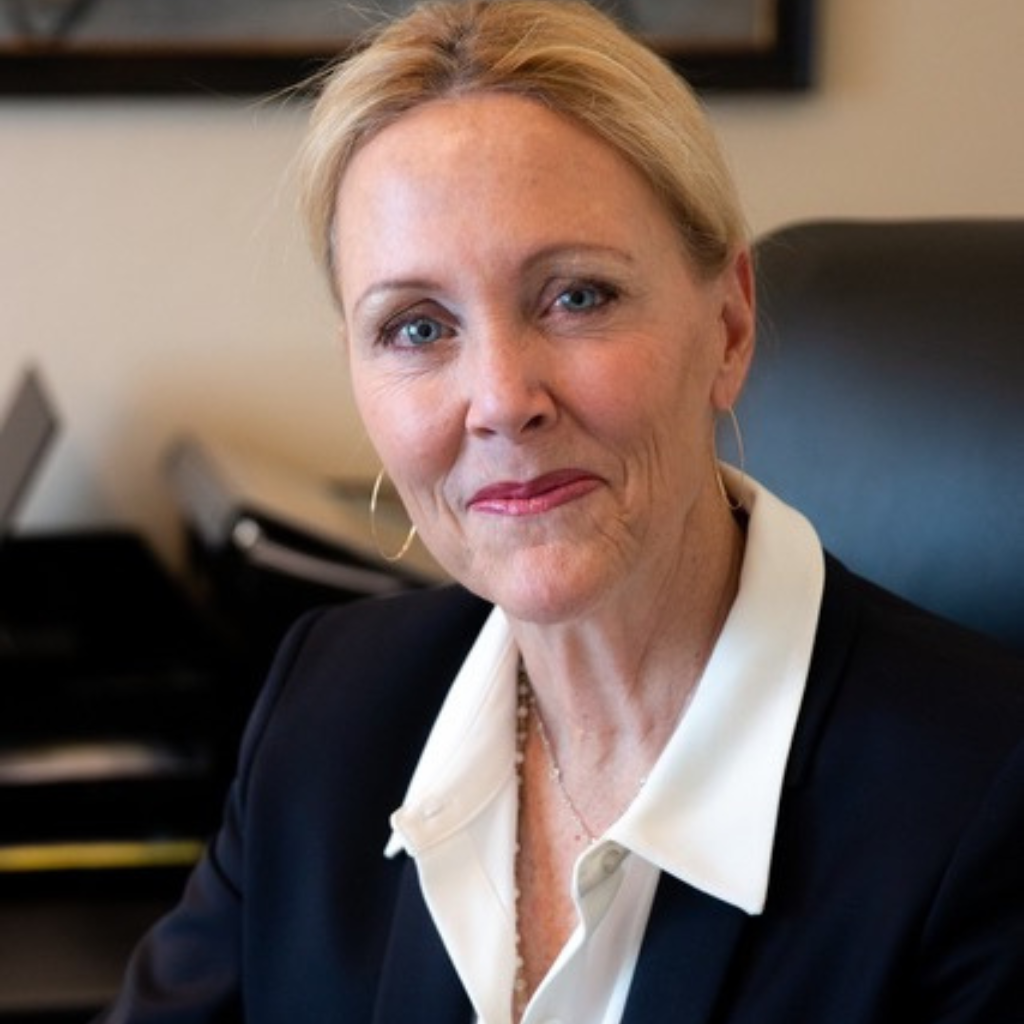
Kimberly Allen
Kimberly Allen is an independent consultant focused on business and administrative processes related to insurance and managed mental healthcare, currently serving as a Strategic Advisor through the ViaTiva Family of Companies, a leading behavioral healthcare consulting firm in the US. She is a recognized leader with over a decade of experience, serving on leading global and national Patient and Stakeholder Advisory Committees, and is a recently published coauthor in recognized academic journals. Her areas of focus include patient engagement strategies and shared decision-making, as well as the value and use of behavioral health peer support services in commercial managed care environments, emergency departments, and integrated healthcare settings. As a global mental health advocate, Kimberly currently serves on the Bipolar Action Network and is a past Board Member of Healthy Brains Global Initiative, an unprecedented global project on brain health. She is a long-term, award-winning mental health advocate with the Depression and Bipolar Support Alliance national office, currently serving on the DBSA Board. She also currently serves as Chair of The University of Texas at Austin School of Social Work Advisory Council. Kimberly is a former Licensed Chemical Dependency Counselor and was fully licensed in insurance in Texas for over a decade. She is a certified mental health peer through the Depression and Bipolar Support Alliance National Office. She holds a Master of Science in Family Studies.
Rebecca Anderson, MS
Rebecca Anderson has spent her career trying to impact community health. Rebecca holds a bachelor’s in psychology from The University of Kansas and a master’s in social work from Washburn University. Her passion is designing and studying population health. She is a subject matter expert in Community Health Worker (CHW) Programs, nationally known for her work in this area. Rebecca spent the first fourteen years of her career at KC CARE Health Center as their Director of Care Coordination. She is currently at Blue Cross and Blue Shield of Kansas City under the population health team where she is building out their CHW model, managing their social referral platform, and launching an initiative to take healthcare to communities using a medical van. She sits on two boards – Vibrant Health’s Quality Committee and Global Montessori Academy as their chair for Diversity Equity and Inclusion.
In Rebecca’s free time, you will find her studying our healthcare system, looking for ways to eliminate barriers that impact community health, and finding opportunities to improve individuals’ health outcomes. Mrs. Anderson also runs the Dysautonomia International Group – Kansas, where she helps support and guide members across our state with Dysautonomia. As a patient herself, she intimately understands the challenges patients face, particularly women, trying to navigate our system. After her life was changed by chronic illness, her goal is to give back to those in need and help change things for the better. She is honored to take part in the work the Brain Inflammation Collaborative is doing as a patient advisor.
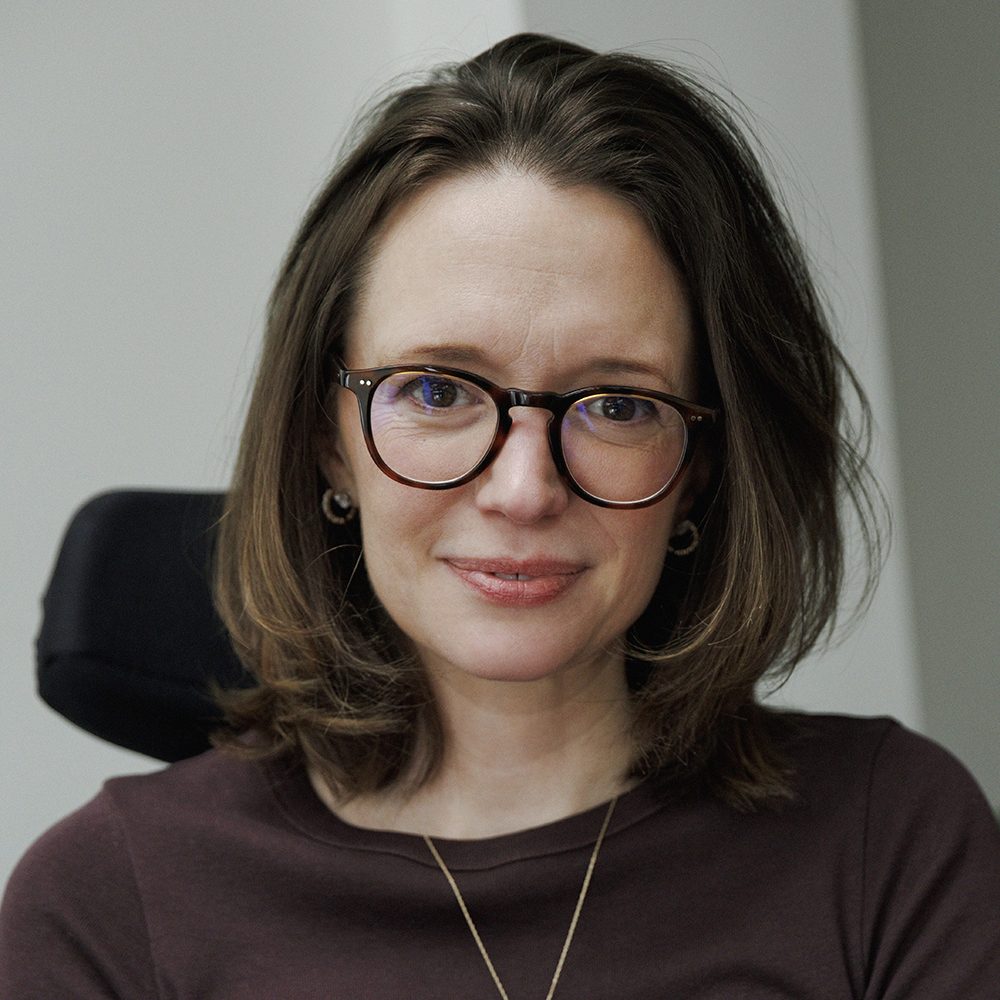
Jessica Slice
Jessica Slice is a journalist, author, and podcaster. Her book, Unfit Parent: A Disabled Mother Challenges an Inaccessible World was one of NPR’s top books of 2025. She has been published in Modern Love, the New York Times, the Washington Post, the Wall Street Journal, the Atlantic, the Guardian, The Globe & Mail, LitHub, Alice Wong’s bestselling Disability Visibility, Slate, Glamour, Cosmopolitan, and more. She’s been featured in Vogue, The New Yorker, PBS, NPR, The Cut, the BBC, etc. She lives in Toronto with her family.
Molly Dickerson, B.S.
Medical & Scientific Advisors
Aaron Abend, MBA
Leigh Ann Brandenburg, DDS

Jessica Ernst, RDN

Jennifer Frankovich, MD, MS
Sheldon Garrison, PhD

Marni Graveline, MA

H. Timothy Hsiao, PhD
Mara Kuvaldina, PhD
Dr. Gina Labovitz, MD, FAAP

Nicole Laurent, LMHC

Ming Ta Micheal Lee, PhD

Cristin MacDonald, PhD

Matthew Menendez, PhD
Jane Myles

Satish Raj, MD, MSCI

Jill Schofield, MD

Margo Thienemann, MD

Janice Tona, PhD
Dr. Kortney West

Svetlana Blitshteyn, MD, FAAN, FANA
Aaron Abend, MBA
Aaron is an entrepreneur with 35 years of experience in software development, the last 20 focused on healthcare and medical research. He was co-founder of Recombinant Data, a software company that implemented database technologies for academic medical centers. Recombinant was acquired by Deloitte Consulting in 2012.
In 2013, his mother was diagnosed with Sjögren’s syndrome. He learned that it was autoimmune and witnessed his mother’s experience of waiting for 10 years before she was correctly diagnosed. He decided to build a registry for autoimmune illness, modeled on the National Cancer Registry, to improve diagnosis by gathering statistics and research on this important class of disease.
Aaron is a member of the Yale School of Medicine Institutional Review Board and he serves on the Advisory Board for the NIH All of Us program.
Aaron earned a BA from Middlebury College and an MBA from Columbia University and studied biomedical informatics at Stanford University.
Leigh Ann Brandenburg, DDS
Dr. Leigh Ann Brandenburg graduated from Iowa State University with a B.S. in Biology. She went on to earn her dental degree at The University of Pennsylvania School of Dental Medicine. After dental school, she fulfilled her General Practice Residency at Montefiore Medical Center. She later completed her Pediatric Dental Residency at St. Barnabas Hospital Bronx, New York. Dr. Brandenburg maintains membership in PSI Omega Dental Fraternity and was awarded The Pediatric Dental Residency Recognition Award through the American Academy of Pediatric Dentistry.
Dr. Brandenburg specializes in treating a range of pediatric patients presenting with diverse neuroinflammatory conditions. Given the susceptibility of these patients to illness flares, meticulous care is essential in both pre- and post-dental procedures to mitigate potential complications. Dental infections, in particular, have been identified as potential sources of infection-driven neuroinflammation. Because of her commitment to patient education and ensuring optimal treatment outcomes, she actively engages with the Brain Inflammation Collaborative.
On a fun note, Dr. Annie (as her patients affectionately call her), considers herself a Swiftie, a traveler extraordinaire, and the world’s greatest Auntie.
Jessica Ernst, RDN
Jessica Ernst is a Registered Dietitian Nutritionist, specializing in using food as medicine with the ketogenic diet for children and adults with various medical conditions. Jessica has more than 15 years of experience with ketogenic therapies and is well versed in the literature on the ketogenic diet for multiple disease states. She is a highly driven clinician and uses evidenced based practice to support her deep expertise in clinical nutrition. Jes received her Bachelor’s degree in Dietetics from The Ohio State University and her Master’s degree in nutritional sciences from the University of Cincinnati. In her role as Clinical Educator for Keto-Mojo, Jessica works directly with health care professionals to help them understand the benefits of ketogenic therapies, the value of glucose and ketone testing for monitoring and adherence, and how to integrate real-time patient data to improve health outcomes.
Jennifer Frankovich, MD, MS
Jennifer Frankovich, MD MS is a Clinical Professor in the Department of Pediatrics, Division of Allergy, Immunology Rheumatology (AIR) at Stanford University/Lucile Packard Children’s Hospital (LPCH). Dr. Frankovich’s clinical expertise is in systemic inflammatory and autoimmune diseases that co-occur with psychiatric symptoms. She completed her training in pediatrics, pediatric rheumatology, and clinical epidemiology at Stanford. Dr. Frankovich directs the Stanford PANS Program (2012- present) and along with her collaborators have created a longitudinal clinical database and large biorepository of patient and control biospecimens.
In addition to generating clinical data to better understand the PANS illness, she is collaborating with over 15 basic science labs who aim to understand the immunological underpinnings of the illness. Dr. Frankovich also co-led the development of evaluation and treatment guidelines for post-infectious neuropsychiatric conditions including PANS and autoimmune encephalitis. The Immune Behavioral Health Research program has been recently named a site for an upcoming sponsored Phase III, placebo controlled double blind IVIG Clinical Trial and Dr. Frankovich is also co-leading an Autism “wearables” study at Stanford with genomist Mike Snyder, PhD. Her over-arching career goal is to develop better diagnostic algorithms and treatment pathways for children with sudden severe psychiatric deteriorations caused by post-infectious inflammatory processes.
Sheldon Garrison, PhD
Marni Graveline, MA
Marni Graveline, M.A., is a Director of Educational Services and a School Psychologist with 25 years of experience in public and private educational settings. Before working in education, Marni worked in mental health services at a locked psychiatric facility supporting patients’ social/emotional needs. She holds a B.A. and M.A. in Psychology with specialization in School Psychology and Counseling. Marni earned her National Credential in School Psychology (NCSP) after graduation in 1996. Her passion for supporting struggling learners has fueled Marni’s career working in the education and counseling fields. Marni has used her skill set to support multiple areas in counseling and education from social and emotional needs, executive functioning, academic and cognitive skill development, and advocacy within school and work settings. Along with her college degrees, Marni holds a Structured Literacy Dyslexia Interventionist credential from the International Dyslexia Association’s Center for Effective Reading Instruction. She also has worked with students with complicated mental health concerns to support their needs and ongoing development. Suicide Prevention is an area where she has expanded her skills over the years, and provides individual support services. Marni enjoys being married with two adult children and a dog. Her involvement with the Tacoma City Ballet as a character dancer in ballet productions and traveling to see family helps her keep balance.
H. Timothy Hsiao, PhD
With more than two decades of research and scientific management experience, Tim currently serves as a Senior Innovation Strategy and Management Advisor at Avantiqor, through which he advises the Advanced Research Projects Agency for Health (ARPA-H) for Health Science Futures (HSF). Tim believes that medical research not only enriches the collective knowledge of humankind but also, more importantly, brings hope to patients.
Previously, Tim served as the Chief Scientific Officer / Health of Research Strategy and Alliances at Solve M.E., where he led a real-world data (RWD) platform to strategically accelerate M.E./CFS and Long COVID research with and for patients, their families, and the broader community that share the interest in combating infection-associated chronic conditions. Prior to Solve M.E., Tim exercised leadership to steer the research and alliance strategy in a non-profit setting and mobilized the government, research foundations, and private sector stakeholders to partner and advance medicine together. Previously, Tim oversaw a multi-million-dollar portfolio of federal investments in scientific research as Program Director for the National Center for Advancing Translational Sciences (NCATS) at the National Institutes of Health (NIH). In addition, Tim worked in science policy for the NIH Office of the Director, small business innovation for the National Institute of Allergy and Infectious Disease (NIAID), and epigenetic research for the National Cancer Institute (NCI). He has been recognized by awards such as the NIH Director’s Award, NCATS Director’s Award, NIAID Merit Award, the U.S. Department of State Embassy Science Fellowship, and the American Association for the Advancement of Science (AAAS) Science and Technology Policy Fellowship. Tim holds a Ph.D. in Molecular Biophysics & Biochemistry from Yale University.
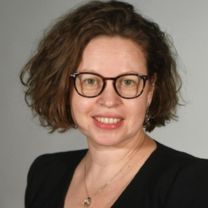
Mara Kuvaldina, PhD
Dr. Mara Kuvaldina, PhD, completed her postdoctoral training at the Department of Physics, University of Helsinki, and was a Fulbright scholar at the New School for Social Research. Her current research focus is neuromodulation (vagus nerve stimulation, transcranial magnetic stimulation, and transcranial direct current stimulation) for chronic inflammatory illnesses and tick-borne diseases.
She combines methods of experimental cognitive psychology, applied physics, and psychometry to investigate potential biomarkers and develop an individualized neuromodulation regimen.
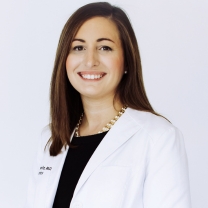
Dr. Gina Labovitz, MD, FAAP
Dr. Gina Labovitz, M.D., FAAP, is a Pediatrician and founder of Envision Pediatrics, a clinic located in central Kentucky that is dedicated to providing care to children with complex medical conditions, autism, developmental delays, mental health conditions, as well as treatment of PANS and PANDAS. She completed her medical education at the University of Kentucky College of Medicine and her pediatric residency at the University of Alabama-Birmingham (UAB). She has also pursued additional training in autism diagnosis and pediatric mental health to help bridge gaps in care for children.
Dr. Labovitz’s clinical and research interests focus on the individualized treatment of complex pediatric conditions through the utilization of genomics and precision medicine. At Envision Pediatrics, she provides personalized care, addressing the unique health needs of each child through a tailored approach. Additionally, Dr. Labovitz has contributed her expertise as a medical advisor in health technology, underscoring her commitment to innovative approaches in pediatric healthcare.
Nicole Laurent, LMHC
Nicole Laurent, MA, is a licensed mental health counselor with a rich background spanning over 15 years in private practice. During this time, she has utilized therapies such as Dialectical Behavior Therapy (DBT), Cognitive Behavioral Therapy (CBT), and Eye Movement Desensitization and Reprocessing (EMDR) and now integrates them with the use of nutritional and metabolic therapies to better support the “bio” of the biopsychosocial model of her practice. She holds an MA in Clinical Psychology from Argosy University, a Post-Graduate Certificate in Nutrition and Integrative Health from the Maryland University of Integrative Health (MUIH), and advanced training in the use of Ketogenic Metabolic Therapy for Mental Illness and Neurological Disorders.
Expanding her reach beyond traditional counseling, Nicole also offers individual consultations and leads an online program, both aimed at facilitating access to ketogenic metabolic therapies, a vital resource not yet standardized in current treatment models.
In her ongoing commitment to advancing the field of metabolic psychiatry, Nicole has spearheaded initiatives that foster collaboration and knowledge sharing among clinicians. She founded the Clinical Psychology Case Studies Working Group, a community that encourages professionals to explore and publish insights on the effectiveness of ketogenic metabolic therapy.
In 2022, Nicole’s efforts were recognized with the Metabolic Mind Award, an accolade that honors individuals making strides in the application of ketogenic metabolic therapy in the mental health sector. This award, given by the Baszucki Brain Research Fund in partnership with the Milken Institute’s Center for Strategic Philanthropy, acknowledges Nicole’s active role in expanding the reach, understanding, and clinical practice of metabolic psychiatry.
Nicole developed and leads the first NBCC-approved continuing education program on Metabolic Psychiatry for Nonprescribers, a crucial initiative that equips psychologists and allied mental health professionals with the knowledge to support patients adopting ketogenic diets as a treatment method.
Nicole is also a member of the Clinician Advisory Committee at the nonprofits Metabolic Mind and Keto Live Project, contributing to shaping strategies and initiatives in the hopes of offering valuable insights into the psychosocial aspects of implementing ketogenic metabolic therapies.
Ming Ta Micheal Lee, PhD
Ming Ta Michael Lee graduated from the University of Cambridge in 2002 with a Ph.D. in virology. Afterward, he joined Dr. Bryan Cullen’s lab as a Research Associate at Howard Hughes Medical Institute at Duke University Medical Center. He then joined Dr. Yuan-Tsong Chen’s group as a postdoctoral researcher at the Institute of Biomedical Sciences, Academia Sinica in 2003 and was promoted to Assistant Director at the National Center for Genome Medicine (NCGM) in 2004 and Assistant Research Scientist in 2008. He was invited to join the Center for Integrative Medical Sciences at RIKEN as Team Leader of the Laboratory for International Alliance in Japan. He then joined the Genomic Medicine Institute at Geisinger as an Associate Professor and Associate Director of Geisinger Biobank in 2016. He is now the VP of Biobank Operations at Geletea Bio, Inc. Dr. Lee still maintains his academic affiliations with Academia Sinica and RIKEN.
Dr. Lee is an internationally recognized geneticist for identifying genetic associations with complex diseases and pharmacogenetics (PGx) studies by utilizing large datasets integrating electronic health records (EHR), genetic data, and medical images. He has made major contributions in the PGx field where he identified genetic variants associated with warfarin, lithium, and phenylephrine response, as well as, genetic variants associated with NSAID-induced hypersensitivity, and anti-tuberculosis and anti-HIV drug-induced liver toxicity in individuals with African ancestry. He carried out clinical studies demonstrating the clinical utility of PGx tests in reducing drug-induced adverse events. In complex diseases, Dr. Lee identified genetic variants associated with bipolar disorder, schizophrenia, Sjögren’s syndrome, stroke, osteoarthritis, spine degeneration, and PCOS. In rare disease research, he identified genetic variants underlying Cleidocranial Dysplasia. Together with extensive bench experience in cellular and animal models of diseases, his research experience has resulted in high-impact publications including the New England Journal of Medicine.
Dr. Lee also has an active presence on the international stage where he plays key roles in international consortia, such as the International Warfarin Pharmacogenetics Consortium (IWPC), Clinical Pharmacogenetic Implementation Consortium (CPIC), International Genetics of Osteoarthritis (GO) and The Pharmacogene Variation (PharmVar) Consortium. In addition to his research accomplishments, Dr. Lee has had management experience in biobanking and clinical certification including CLIA and CAP accreditation, the development of genetic biomarker assays, and has provided expertise on genetic variant patent filing, and regulatory submissions to the FDA, TFDA and EMA.
Cristin MacDonald, PhD
Cristin MacDonald provides consulting services to top pharmaceutical, biotech, and contract research organizations, and oversees client deliverables, systems, and processes.
Crissy has over 15 years of experience with expertise in clinical research, process development, and strategic management. Her previous roles have touched every stage of the clinical trials process, from pre-clinical research through late-stage clinical development.
Crissy earned a Ph.D. in biomedical engineering from Drexel University and a bachelor’s degree from Lafayette College.
Matthew Menendez, PhD
Dr. Matthew Menendez obtained his Ph.D. in Microbiology from the University of Oklahoma Health Sciences Center in Oklahoma City, Oklahoma. His primary research focus was understanding how and why the obligate intracellular parasite Toxoplasma gondii alters the metabolic profile of its host cell, mimicking the metabolism of activated immune cells, such as those found in neuroinflammatory and autoimmune diseases.
After graduate school, Dr. Menendez pursued a postdoctoral fellowship in cardiovascular biology in Dr. Courtney Griffin’s Lab at the Oklahoma Medical Research Foundation. While at OMRF, Dr. Menendez was awarded an American Heart Association postdoctoral fellowship, which supported his research efforts and enabled him to publish numerous papers investigating the regulation of capillary vessel stability and how blood vessel permeability can stimulate macrophages to regulate the function of lymphatic vessels.
Dr. Menendez is passionate about helping scientists obtain the research support they need to answer important medical questions that have limited financial support from government funding agencies. He achieves this by leveraging his digital marketing agency, Empirical Web Solutions, to help medical nonprofits secure the fundraising support required to address some of the most important, yet underfunded, scientific questions of our time.
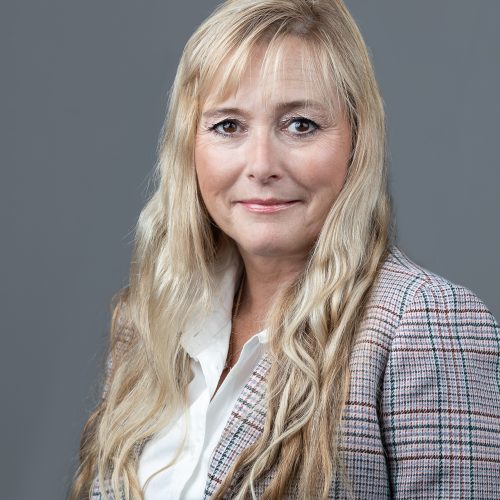
Jane Myles
Jane has over 25 years of experience improving clinical trials and patient experiences. She has focused on driving innovation in trial design and execution to accelerate getting medicines to patients. Jane transitioned from molecule focus to portfolio focus about 13 years ago, first concentrating on patient recruitment, then patient experience and input, followed by the adoption of patient-facing technology. In her current role as Program Director for the Decentralized Trials and Research Alliance (DTRA), she merges these focus areas. She also serves as Chairperson for Curebase’s Strategic Advisory Board, building DCT technology and services to increase trial access and inclusion.
Most recently, Jane was VP of Innovation at Curebase from 2021-2023. Prior to that, she worked at Roche/Genentech for 17 years in various roles including operational program manager for hematology where she helped drive global implementation of patient-facing technology into trials. Jane has also held positions leading global trials at Lilly, Sanofi, small biotechs, and niche CROs. She’s a Canuck who loves San Francisco and the beach.
Satish Raj, MD, MSCI
Satish R Raj MD MSCI is a Professor of Cardiac Sciences and the Section Chief of the Cardiac Arrhythmia Group at the University of Calgary in Canada. He also serves as the Director of Education at the Libin Cardiovascular Institute in the University of Calgary’s Cumming School of Medicine.
He was recruited to the University of Calgary in 2014 from the Vanderbilt University Autonomic Dysfunction Center, and founded the Calgary Autonomic Investigation & Management Clinic. He runs an active research program in Human Autonomic Physiology. His primary research interests relate to understanding and better treating postural orthostatic tachycardia syndrome (POTS), a disorder that primarily affects women.
Jill Schofield, MD
Jill R. Schofield, M.D. is the Director of Center for Multisystem Disease in Denver, CO and Associate Clinical Professor at the University of Colorado. She completed her residency in internal medicine at the Johns Hopkins Hospital and two years of training in multi-specialty autoimmune disease and thrombosis at the University of Colorado. In 2013, she described the association of autonomic disorders in antiphospholipid syndrome and was the recipient of the Dysautonomia Support Network Patient’s Choice Game Changer Award in 2019 for her work studying immunoglobulin therapy in autoimmune dysautonomia. Her primary areas of interest are antiphospholipid syndrome and the emerging fields of autoimmune dysautonomia and mast cell activation syndrome.
Margo Thienemann, MD
Dr. Thienemann helped develop the first clinic in the country exclusively devoted to PANS patients. She is the co-author of the first clinical diagnosis and treatment guidelines for PANS. Dr. Thienemann has been working as a clinician both as a private psychiatrist and a clinical professor at Stanford University for over 20 years and continues to work on innovative research avenues for this underserved population.
Janice Tona, PhD
Janice Tona, PhD, OTR, is an occupational therapist and an educational psychologist, specializing in pediatrics and developmental disabilities. She is a clinical associate professor and occupational therapy program director at the University at Buffalo, Department of Rehabilitation Science in the School of Public Health and Health Related Professions. She holds a BS in occupational therapy from Utica College of Syracuse University, an interdisciplinary MS in pediatrics and developmental disability-based therapy from the University of Pittsburgh, and a PhD in educational psychology from the University at Buffalo.
Dr. Tona was the first occupational therapist to study the functional implications of PANS exacerbations on meaningful and relevant daily activities (occupations). She was a coinvestigator in the 2013 study A retrospective parent-report of onset, interventions, and clinical course of children identified with Pediatric Acute-Onset Neuropsychiatric Syndrome, overseeing recruitment and data collection on over 600 participants, and was a co-author on four publications stemming from this research. Dr. Tona continues her work with individuals with PANS and their families, with a recent publication on caregiver stress in parents of children with PANS.
As a member of the Western New York Long COVID Recovery Center, Dr. Tona is now extending her work with individuals with brain inflammation to understand the effects of Long-COVID on participation in meaningful and relevant daily activities (occupations) and to develop mechanisms of intervention to improve quality of life despite Long COVID symptoms. Dr. Tona seeks to continue her work to better understand the trauma faced by individuals with PANS, their parents, and siblings, the impact of this trauma on the ability to engage in meaningful and relevant daily activities (occupations), and mechanisms of intervention to improve quality of life for these individuals.
Dr. Kortney West
Dr. Kortney West is an esteemed pediatrician with a passion for enhancing the lives of children with neurodevelopmental disabilities and behavioral health disorders. Recognizing the significant gaps in youth mental health care, she founded Precise Pediatrics, an innovative practice that integrates precision medicine, nutrition, and lifestyle changes to address the root cause of illness. After witnessing the power of these modalities resulting in the true healing of her own children, she aims to help other families also heal their bodies and minds rather than mask symptoms.