What Is Brain Inflammation?

What is Brain Inflammation?
Brain inflammation, also known as neuroinflammation, occurs within the brain or spinal cord and is the body’s response to an injury, infection, virus, or allergy. Inflammatory processes in the brain can affect how we think, act, feel, and move, often seemingly out of the blue.
Cells from the immune system and/or their chemical products become abnormally active in areas of the brain and alter brain function. This can cause a complex neurological and psychological symptoms and complications, from depression and anxiety to obsessive compulsive and movement disorders.
Risk Factors
The interaction of several different risk factors likely contribute to inflammatory brain disorders and include (but are not limited to) the following:
- Genetics
- Infections caused by viruses, bacteria, tick bites, and more
- Exposure to infections can trigger the immune system and potentially initiate or make an autoimmune reaction worse.
- Stress
- Chronic stress can lead to immune system dysfunction, contributing to a persistent low-grade inflammation associated with cognitive, behavioral, and emotional changes
- Acute stress can also lead to increased inflammation.
- Environmental factors during pregnancy and early life
- Injury
- Allergies
- Aging
- Tumors
Sources: Jones, H. et al. (2021), Anaya JM., et al. (2013).


Causes
Inflammation occurs as a natural response to an infection or when body tissues are injured. Inflammatory processes, however, can begin to attack the body’s own cells. Chronic inflammation that persists after an infection goes away or that arises without an obvious trigger may be due to autoimmunity. In some people this process is persistent and in others it can come and go.
The brain is usually kept safe from infection due to the blood brain barrier, or BBB. However, if the BBB is compromised, antibodies, white blood cells, or inflammatory products of white blood cells may cross into and injure or irritate various regions of the brain.
While brain inflammation can be caused by autoimmune or infectious conditions, the specific cause remains unknown in 30% to 40% of cases, even with extensive testing.
Symptoms
Symptoms associated with chronic brain inflammation can be primarily characterized as:
- neurological: arising from brain, spinal cord, nerves, or autonomic nervous system or;
- psychological: mental, emotional, or behavioral
As scientific understanding evolves based on new research, psychological disorders are increasingly found to be neurological in origin.
While initial symptoms may be as nonspecific as fatigue and headache, patients with post-infectious brain inflammation typically develop multiple neuropsychiatric symptoms within 2-3 weeks of infection or reinfection (Mayo Clinic).
The rapid onset of the symptoms listed in the graphic are often an indicator that they may be triggered by a neurological event or illness.

Diagnosis
Because of the diversity of symptoms, brain inflammation can be extremely difficult to diagnose and, at times, the use of imaging and lab tests may not reveal the underlying cause of symptoms.
Extensive testing is often required to diagnose the underlying cause of brain inflammation:
- Blood samples – are used to test for signs of inflammation and to identify harmful antibodies
- Proinflammatory cytokines are measured or immune deficiencies are detected.
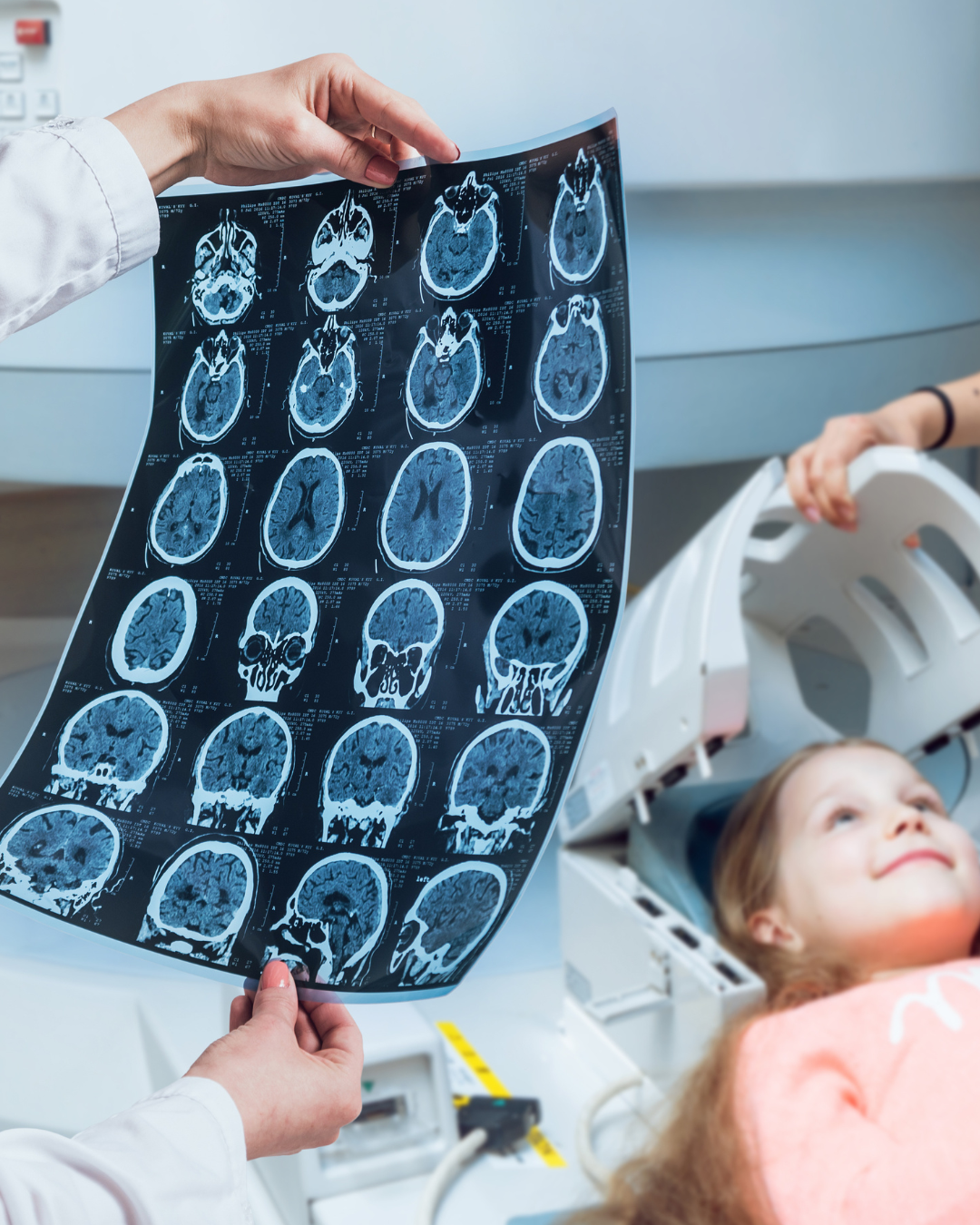
- Imaging (PET, CT, MRI) – is often used to rule out a diagnosis of stroke, brain tumor, or aneurysm, as well as to detect and understand the extent of inflammation (e.g., basal ganglia injury)
- Electroencephalograms (EEGs) are used to measure brain activity, EEGs are often used to rule out seizures
- Lumbar puncture is the extraction of cerebrospinal fluid (CSF), which can help rule out infection and detect inflammatory cells, excess protein, and antibodies against neuronal tissues.
Source: Mayo Clinic
Treatment
A single standard of care for chronic brain inflammation has not been clearly defined. Instead, many patients do best with individualized care, which takes into account a person’s genetics and health history rather than applying a standard protocol to everyone.
Usually, a multidisciplinary approach to treatment is needed, with collaboration between neurologists, rheumatologists, psychiatrists, immunologists, and primary care providers, and includes treatment plans ranging from medication to counseling.
Treatment strategies vary greatly and depend on the specific set of symptoms presented by each unique patient. Medications for post-infectious or autoimmune inflammation can include:
- antibiotics
- antivirals
- antidepressants and antipsychotics
- nonsteroidal anti-inflammatory drugs
- corticosteroids
- intravenous immunoglobulin (IVIg)
- immunosuppressants
- biologics
- plasma exchange

More research is needed to come up with proper treatment protocols (established plans of standardized care) for patients with brain inflammation associated conditions.